
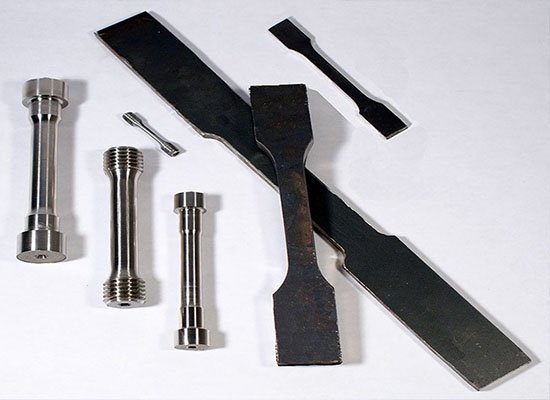
In today’s competitive manufacturing environment, metal testing is not optional—it is essential. From infrastructure and automotive projects to defence and export manufacturing, even a minor material failure can lead to major financial loss, safety risks, and reputational damage. This is why companies like OM Export place strong emphasis on metal inspection and testing at every stage of production.
What Is Metal Testing?
Metal testing involves evaluating the mechanical, chemical, and physical properties of metals to ensure they meet required standards. This includes tests for strength, hardness, composition, dimensional accuracy, and surface quality. Proper testing ensures that the metal used in production performs reliably in real operating conditions.
Live Industry Example: Infrastructure Project Failure
In a large infrastructure project, steel components used for structural support showed early signs of cracking within months of installation. Upon investigation, it was found that the steel grade used did not meet the required mechanical strength due to improper material verification. The absence of proper hardness testing and chemical analysis led to project delays, costly replacements, and safety concerns. This highlights how metal testing prevents structural failures before they occur.
Automotive Industry Example: Precision Matters
In the automotive sector, a batch of machined steel brackets failed during assembly due to dimensional inaccuracies. The issue was traced back to insufficient dimensional inspection using CMM and height gauges. Proper inspection at the production stage would have detected deviations early, saving time, material, and rework costs. This demonstrates the importance of precision measurement and inspection in high-volume manufacturing.
Defence Manufacturing Example: Zero Tolerance for Error
Defence components demand the highest level of quality and compliance. In one case, a fabricated metal component was rejected during final inspection because of minor surface defects that could affect fatigue life. Advanced non-contact CMM inspection and surface testing identified the issue before dispatch, preventing rejection at the customer end. In defence manufacturing, metal testing ensures safety, reliability, and mission success.
Export Manufacturing Example: Meeting Global Standards
Export-oriented manufacturers must comply with international standards. A shipment of fabricated components was once put on hold due to missing material test certificates (MTCs) and incomplete inspection records. Comprehensive metal testing and documentation ensured compliance and prevented shipment rejection. This example shows how testing protects export credibility and customer trust.
Types of Metal Testing That Matter
- Chemical Analysis – Confirms correct material composition
- Hardness Testing – Ensures strength and durability
- Dimensional Inspection (CMM, Height Gauges) – Verifies accuracy
- Surface Inspection – Detects defects and irregularities
- Mechanical Testing – Validates load-bearing capability
Why Metal Testing Saves Cost in the Long Run
While testing may seem like an added cost, it actually reduces rework, rejection, warranty claims, and project delays. Early detection of defects protects manufacturers from financial losses and ensures long-term performance of components.
Conclusion
Metal testing is not just about compliance—it is about safety, reliability, and trust. Real-world industry failures prove that skipping proper inspection can lead to serious consequences. Investing in metal testing ensures consistent quality, protects end users, and strengthens long-term business relationships.